


Find Your Perfect Wood Product
If you find a product you like, reach out to us for more details and assistance.
Leopardwood
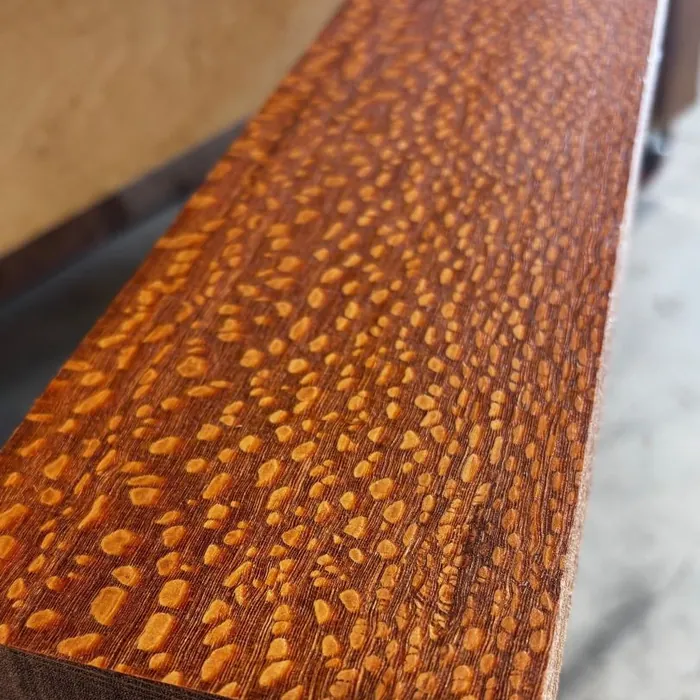
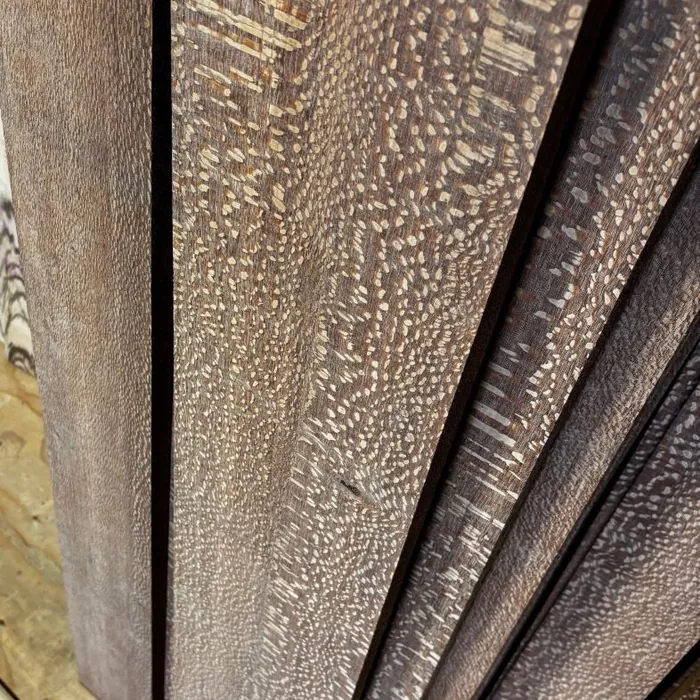
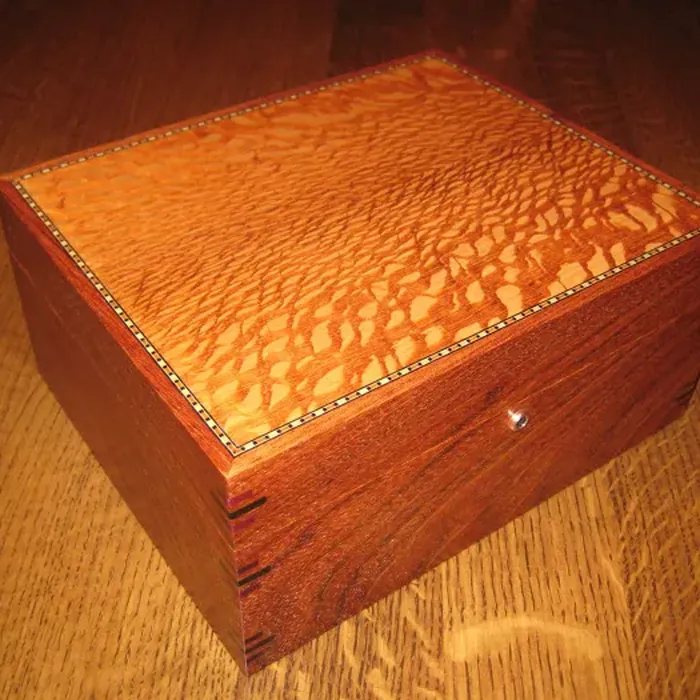
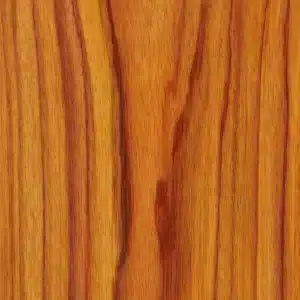
Leopardwood is a striking exotic hardwood known for its eye-catching grain pattern that resembles the rosettes of a leopard’s coat. Sourced from Central and South America, this rare species is valued for its decorative appeal, density, and durability. Its unique figure and reddish-brown hue with shimmering flecks make it ideal for fine woodworking, inlays, veneer, and high-end furniture pieces. Whether you’re crafting a custom tabletop, turning a bowl, or adding detail to cabinetry, Leopardwood offers visual drama and sophistication unmatched by more common woods.
Specifications:
- Common Name(s): Leopardwood
- Scientific Name: Roupala montana (syn. R. brasiliense)
- Distribution: Central and South America.
- Tree Size: 100–130 ft (30–40 m), trunk 2–3 ft (0.6–1.0 m)
- Average Dried Weight: 55 lbs/ft³ (885 kg/m³)
- Janka Hardness: 150 lbf (9, 2, 560 N)
- Crushing Strength: 280 lbf/in² (50.2 MPa), 7
Grain/Texture:
Grain: Leopardwood typically has a straight grain, but when quartersawn it displays dramatic ray flecking that gives the wood its signature leopard-like appearance.
Texture: Leopardwood features a fairly coarse texture
Texture: Leopardwood features a fairly coarse texture
Rot Resistance:
Leopardwood is very durable and naturally decay-resistant.
Workability:
Due to its density, Leopardwood sands and polishes well. It responds beautifully to oil and clear finishes that enhance the flecked pattern. Use sharp blades and pre-drill for clean results.
Common Uses:
- Fine / High-End Furniture
- Veneer
- Decorative Pieces
- Specialty Wood Items
- Musical Instruments
- Turned Objects
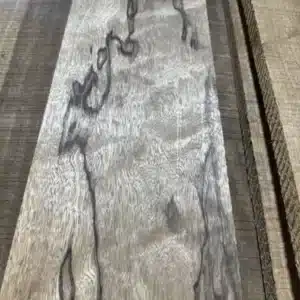
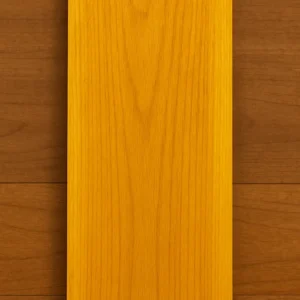
Leopardwood is frequently confused with Lacewood. “Lacewood” refers broadly to woods with lace-like figuring, including Leopardwood. Two Australian species—Northern Silky Oak (Cardwellia sublimis) and Southern Silky Oak (Grevillea robusta)—can look very similar and are sometimes marketed as Australian Lacewood. Leopardwood differs from Lacewood (Panopsis spp.) in its darker color, higher density, and wider parenchyma bands (3–4/mm vs. 5–6/mm).