


Find Your Perfect Wood Product
If you find a product you like, reach out to us for more details and assistance.
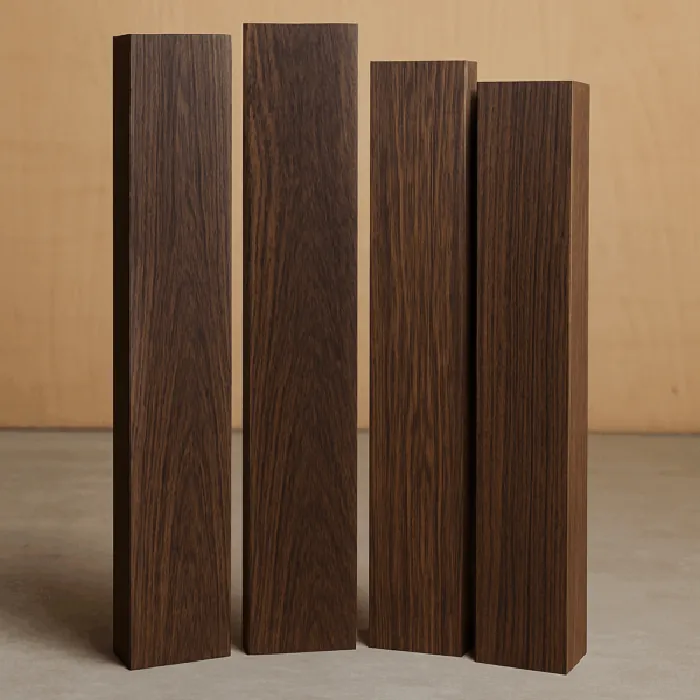
Wenge
Wenge is a striking exotic hardwood with deep chocolate-brown color, nearly black streaking, and a bold, modern look that immediately stands out in person. Dense, hard, and highly resistant to wear and dents, it’s an excellent choice for statement pieces like tables, counters, stair treads, flooring, musical instruments, and custom furniture that need to look gorgeous and hold up to real use. Wenge grain pops beautifully under a clear finish and gives every project a rich, custom-built feel. Come in, sort through our Wenge boards in person, and let a few follow you home for your next build.
Specifications:
- Common Name(s): Wenge
- Scientific Name: Millettia laurentii
- Distribution: Central Africa.
- Tree Size: 3-4 ft (1-1.2 m) trunk diameter, 60-90 ft (18-27 m) tall
- Average Dried Weight: 54 lbs/ft³ (865 kg/m³)
- Janka Hardness: 1, 600 N), 930 lbf (8
- Crushing Strength: 010 lbf/in² (69.0 MPa), 10
Grain/Texture:
Grain: Straight, occasionally slightly interlocked.
Texture: Medium to coarse texture with a low natural luster.
Texture: Medium to coarse texture with a low natural luster.
Rot Resistance:
Rated as very durable and resistant to termite attack.
Workability:
Wenge is difficult to work with due to its density and silica content, which can blunt cutting edges. It can also splinter easily. However, it turns, glues, and finishes well, and can be polished to a high luster.
Common Uses:
- Fine / High-End Furniture
- Accent Pieces / Custom Furniture
- Cabinetry
- Specialty Wood Items
- Musical Instruments
- Turned Objects
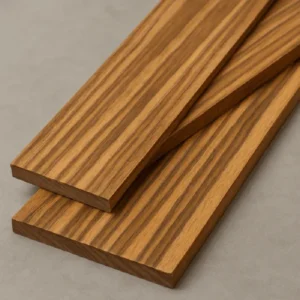
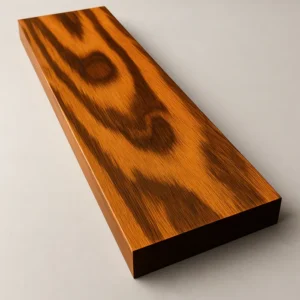
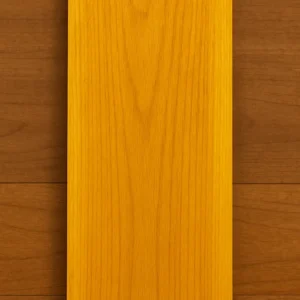
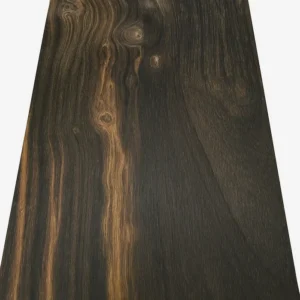
Wenge is prized for its distinctive appearance and excellent strength properties. The wood’s rich coloration and high density make it a popular choice for high-end applications. Its unique grain pattern can add a striking element to any project. Note: Wenge is not listed in the CITES Appendices, but it is on the IUCN Red List of Threatened Species as endangered due to a population reduction of over 50% in the past three generations, caused by a decline in its natural range and exploitation.