


Find Your Perfect Wood Product
If you find a product you like, reach out to us for more details and assistance.
Curly Cherry
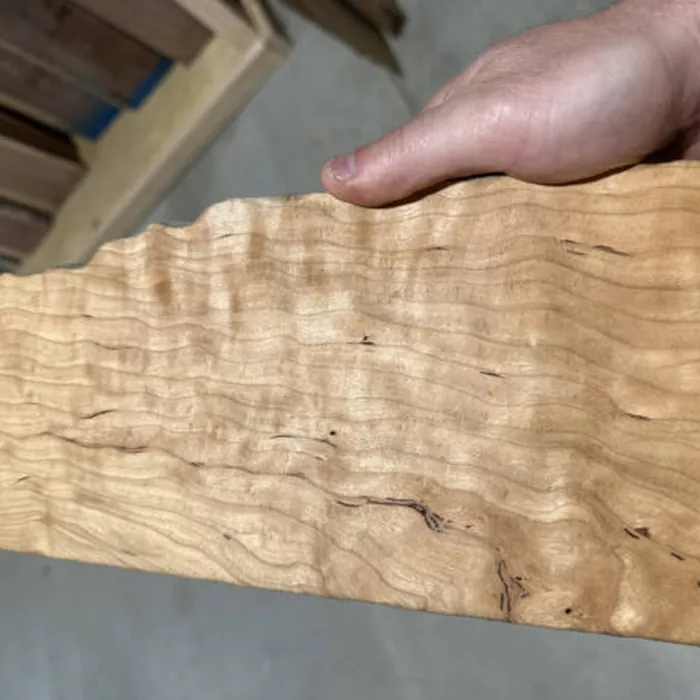
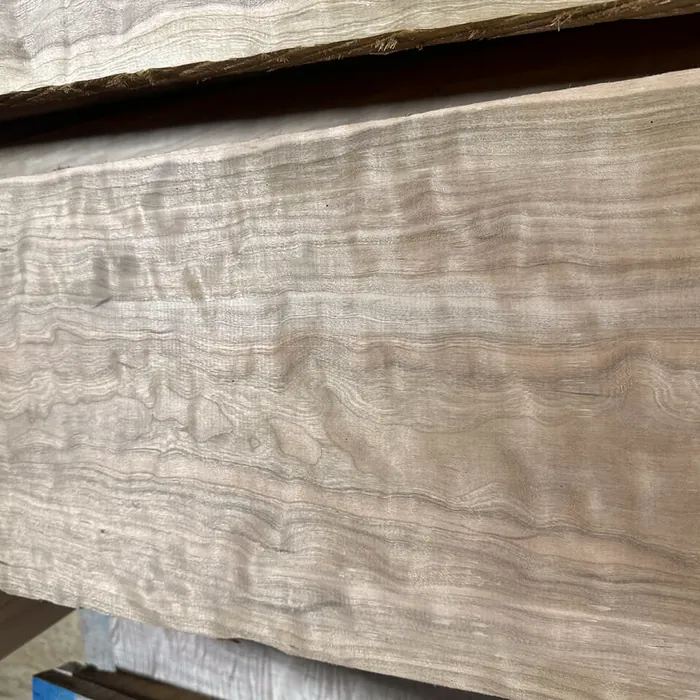
Curly Cherry takes everything people love about classic Cherry and turns it up a notch. The warm, reddish-brown tones are paired with a natural curly figure that shimmers and moves as you walk past, giving your project real depth instead of a flat, painted look. Whether you’re building a standout dining table, a special cabinet, or small gift pieces, Curly Cherry brings a refined, custom feel that’s hard to fake or substitute. If you’d like to hand-pick boards with real character and movement in the grain, our current Curly Cherry inventory is well worth a visit.
Specifications:
- Common Name(s): American Cherry, Black Cherry, Curly Cherry
- Scientific Name: Prunus serotina
- Distribution: Eastern North America.
- Tree Size: 3–5 ft (1–1.5 m) trunk diameter, 50–100 ft (15–30 m) tall
- Average Dried Weight: 35 lbs/ft³ (560 kg/m³)
- Janka Hardness: 230 N), 950 lbf (4
- Crushing Strength: 110 lbf/in² (49 MPa), 7
Grain/Texture:
Grain: Curly Cherry typically has a mostly straight grain, but the defining feature is the rippling or undulating figure that creates its signature curly appearance. This natural chatoyance gives the wood a lively, shimmering look that becomes especially striking under a clear finish.
Texture: Curly Cherry generally has a fine, smooth, and even texture. Its surface feels refined and polished, and the figured curl adds visual depth without making the wood feel coarse or rough.
Texture: Curly Cherry generally has a fine, smooth, and even texture. Its surface feels refined and polished, and the figured curl adds visual depth without making the wood feel coarse or rough.
Rot Resistance:
Curly Cherry offers moderate natural rot resistance, with heartwood that is fairly durable against decay. As with most cherry, it is better suited to interior or protected uses than direct ground contact or long-term wet exposure.
Workability:
Excellent workability: stable, machines well, turns, glues, and finishes nicely. Curly figure can cause tearout. Stain can be blotchy—use sealer or gel-based stain.
Common Uses:
- Furniture
- Cabinetry
- Veneer
- Specialty Wood Items
- Musical Instruments
- Turned Objects
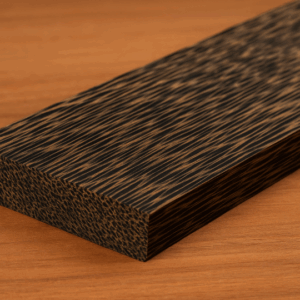
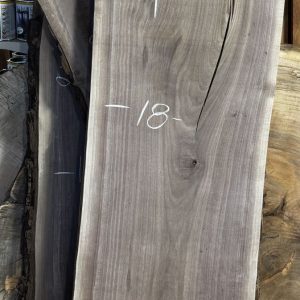
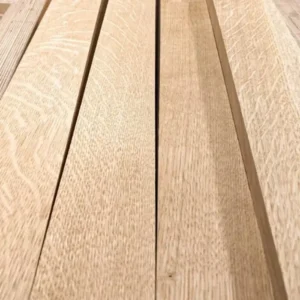
Curly Cherry develops a rich reddish-brown patina with age, often imitated with stains on other woods. The figure adds striking visual appeal, popular in fine woodworking. Note: Do not confuse with Sweet Cherry (Prunus avium), a European/Asian species used for fruit. Black Cherry’s fruit is edible, but the wood is its main value.