


Find Your Perfect Wood Product
If you find a product you like, reach out to us for more details and assistance.

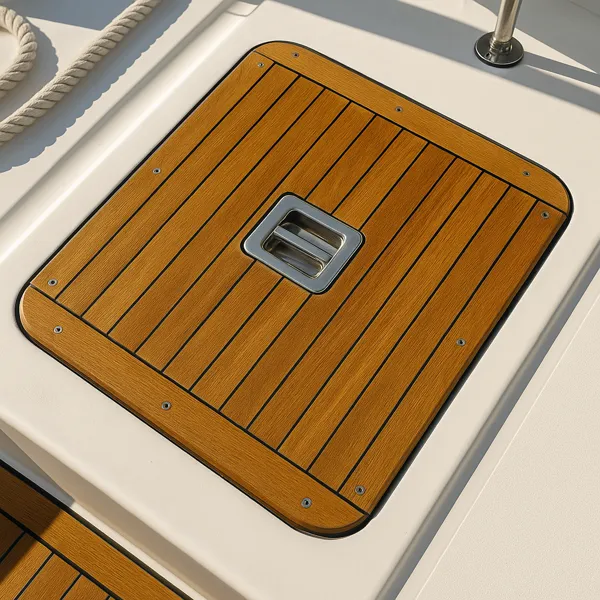
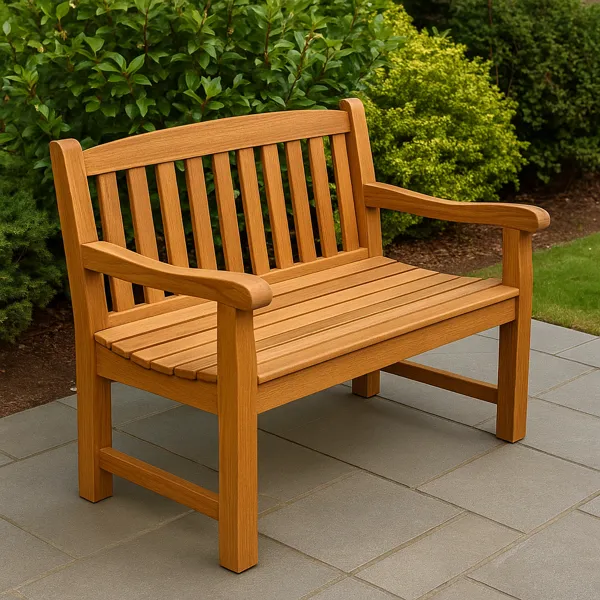
Iroko (African teak)
Iroko offers superb weathering properties and a wonderful earthy burnished-brown color. It is generally considered the best alternative to higher-priced teak. Iroko has a medium to coarse texture with an interlocking grain that often produces interesting patterns. Open pores can be filled for a smooth finish or left alone for a natural texture. Expect the wood to work easily with both power and hand tools.
Specifications:
- Common Name(s): African teak, Iroko
- Scientific Name: Milicia excelsa
- Distribution: Tropical Africa.
- Tree Size: 100–130 ft (30–40 m) tall, 3–5 ft (1–1.5 m) trunk diameter
- Average Dried Weight: 41 lbs/ft³ (655 kg/m³)
- Janka Hardness: 1, 260 lbf (5, 600 N)
- Crushing Strength: 7, 980 lbf/in² (55 MPa)
Grain/Texture:
Grain: Generally interlocked.
Texture: Medium to coarse texture with a good natural luster.
Texture: Medium to coarse texture with a good natural luster.
Rot Resistance:
Naturally very durable and resistant to both rot and insect attack—making Iroko one of the best value substitutes for genuine teak, especially in marine, outdoor, and architectural projects.
Workability:
Iroko is generally easy to work with, although its interlocked grain can be challenging to plane. It turns, glues, and finishes well, with good dimensional stability.
Common Uses:
- Furniture
- Cabinetry
- Veneer
- Interior / Exterior Trim & Millwork
- Specialty Items
- Specialty Wood Items

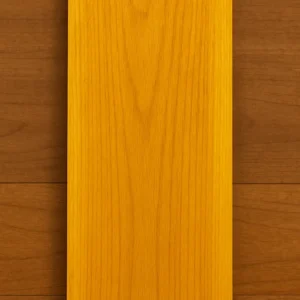
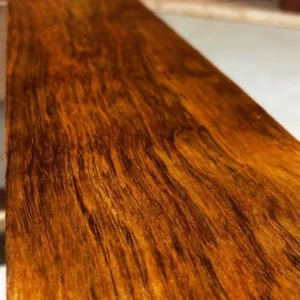

Sometimes called “African teak”, Iroko offers similar strength, color, and durability to genuine teak at a fraction of the cost. Its excellent resistance to decay and insects makes it an outstanding choice for long-lasting outdoor and marine applications. Note: Iroko can occasionally cause skin irritation in some individuals; wear protection when machining.