


Find Your Perfect Wood Product
If you find a product you like, reach out to us for more details and assistance.
Cherry
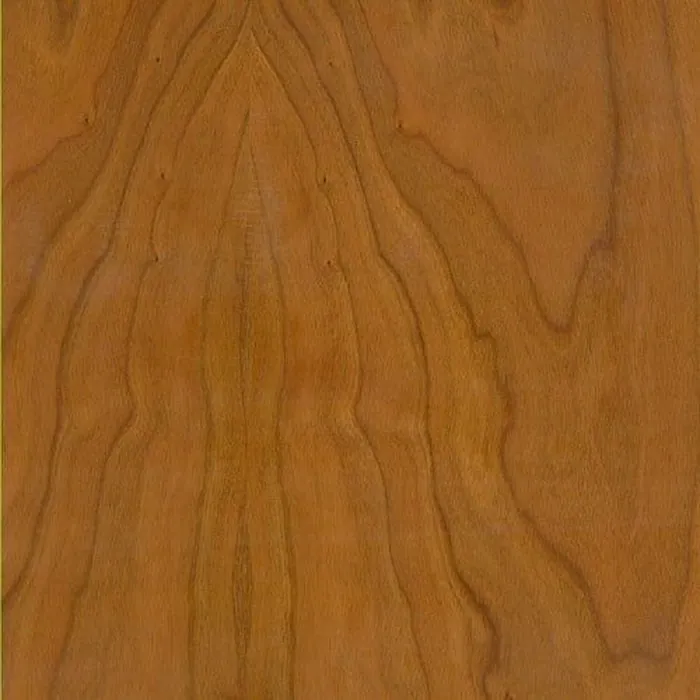
Cherry (specifically American Black Cherry, Prunus serotina) is one of the most sought-after domestic hardwoods for fine woodworking. Known for its warm reddish-brown hue, smooth grain, and excellent workability, Cherry develops a rich, lustrous patina over time that only enhances its character. It’s favored by furniture makers, cabinet shops, and millwork professionals who value both beauty and function. Whether you’re building custom cabinets, heirloom furniture, or precision-cut joinery, Cherry offers a perfect balance of sophistication and performance.
Specifications:
- Common Name(s): American Cherry, Black Cherry
- Scientific Name: Prunus serotina
- Distribution: Eastern North America.
- Tree Size: 3-5 ft (1-1.5 m) trunk diameter, 50-100 ft (15-30 m) tall
- Average Dried Weight: 35 lbs/ft³ (560 kg/m³)
- Janka Hardness: 230 N), 950 lbf (4
- Crushing Strength: 110 lbf/in² (49 MPa), 7
Grain/Texture:
Grain: Usually straight, but can be irregular or wavy.
Texture: Fine and even, with a moderate natural luster.
Texture: Fine and even, with a moderate natural luster.
Rot Resistance:
Cherry is rated as very durable and resistant to decay, though not typically used in exterior applications.
Workability:
Cherry is known as one of the best all-around woods for workability. Stable, straight-grained, and machines well. Its finish can sometimes result in blotchy stains; using a sanding sealer or a gel-based stain is recommended. Use of Cherry can result in a high wastage factor due to common sapwood.
Common Uses:
- Furniture
- Cabinetry
- Veneer
- Specialty Wood Items
- Musical Instruments
- Turned Objects
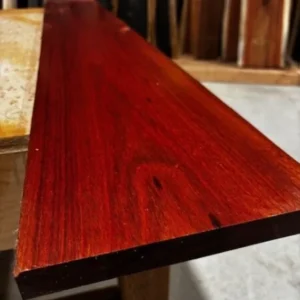
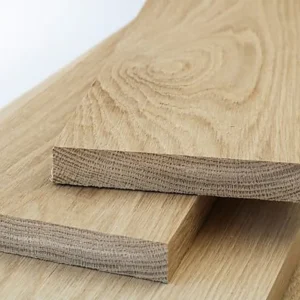
Cherry develops a rich reddish-brown patina as it ages, which is frequently imitated with wood stains on other hardwoods like Yellow Poplar. This aging process can be accelerated by exposing the wood to direct sunlight in a controlled manner. Note: Not to be confused with Sweet Cherry (Prunus avium), which is native to Europe and Asia and is the primary source of edible cherries. While the fruit of Black Cherry is technically edible, the tree is primarily valued for its lumber