


Find Your Perfect Wood Product
If you find a product you like, reach out to us for more details and assistance.
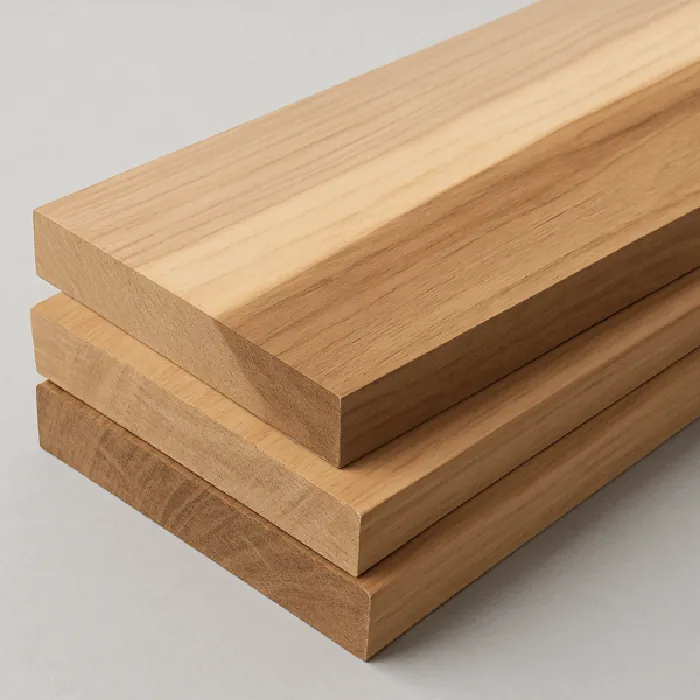
Hickory
Hickory is extremely tough and resilient, combining rustic charm with striking color variety and open grain. Its contrasting light sapwood and warm brown heartwood give every board a distinctive look—especially in calico hickory, where the vivid mix of light and dark tones creates a bold, dramatic effect. While dense and sometimes challenging to work by hand, hickory rewards patience with incredible strength and a smooth, durable surface. It’s an ideal choice for furniture, flooring, tool handles, and cabinetry—bringing both rugged performance and timeless beauty to any project.
Specifications:
- Common Name(s): Hickory, Pecan
- Scientific Name: Carya laciniosa, Carya spp. (including Carya ovata
- Distribution: Hickory grows naturally from the Missouri River eastward. It’s especially abundant in the Central States, including the lower Mississippi Valley.
- Tree Size: 2–3 ft (0.6–1.0 m) trunk diameter, 65–100 ft (20–30 m) tall
- Average Dried Weight: 50.5 lbs/ft³ (810 kg/m³)
- Janka Hardness: 1, 100 N), 820 lbf (8
- Crushing Strength: 210 lbf/in² (63.5 MPa), 9
Grain/Texture:
Grain: Generally straight; however, it can turn wavy or irregular.
Texture: Texture runs medium with a moderate natural luster.
Texture: Texture runs medium with a moderate natural luster.
Rot Resistance:
Hickory rates as non-durable to perishable in decay resistance and, additionally, remains susceptible to insect attack.
Workability:
Hickory works tough: its density often blunts cutting edges. Even so, it delivers notable toughness and shock resistance, so it excels in tool handles and other high-wear applications. It turns, glues, and finishes well; however, pre-drill for nails and screws.
Common Uses:
- Furniture
- Cabinetry
- Interior / Exterior Trim & Millwork
- Specialty Wood Items
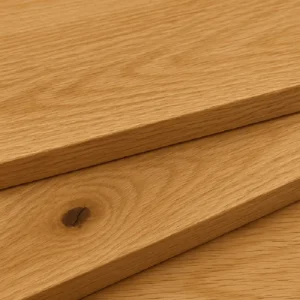
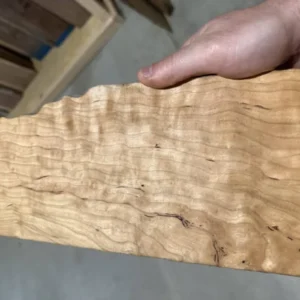
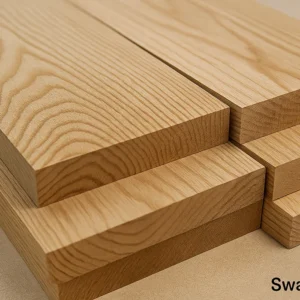
Woodworkers prize hickory for its strength, hardness, and toughness—especially when high shock resistance matters. Furthermore, its distinctive grain pattern and contrasting colors add decorative appeal. Despite the workability challenge, many builders still choose hickory for consistent, long-term performance.