


Find Your Perfect Wood Product
If you find a product you like, reach out to us for more details and assistance.
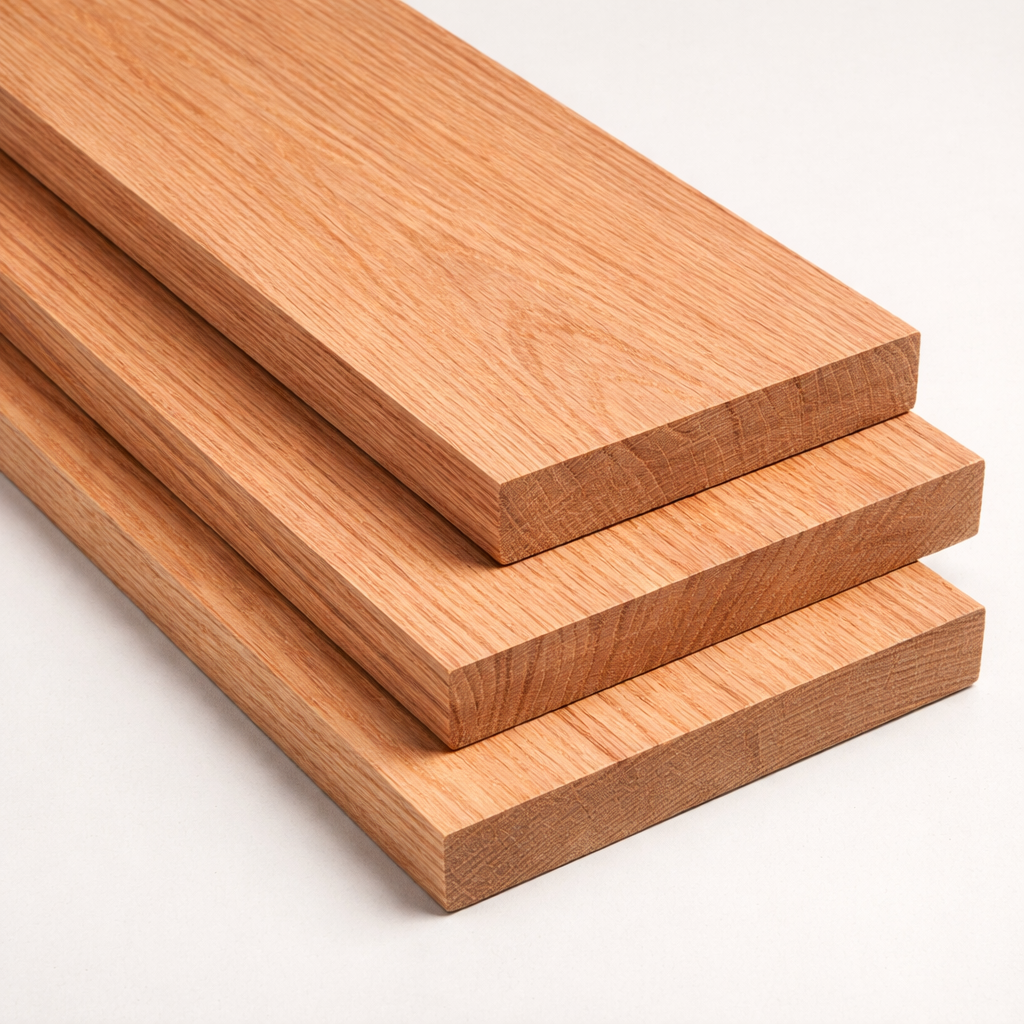
Red Oak
- Common Name(s): Red Oak, Northern Red Oak
- Scientific Name: Quercus rubra
- Distribution: Eastern and central United States, extending into southeastern Canada.
- Tree Size: Typically 60–75 ft tall, with trunk diameters of 2–3 ft; larger trees may reach 100 ft tall.
- Average Dried Weight: 44 lbs/ft³ (about 705 kg/m³)
- Janka Hardness: 1,290 lbf
- Crushing Strength: 6,760 psi (46.6 MPa)
Texture: The texture of red oak is generally coarse, with a porous surface that contributes to its distinctive appearance. This open-pored structure helps it accept stain very well, especially when the goal is to highlight the grain and bring out added depth and contrast. Once properly prepared and finished, it offers a rich, attractive surface with plenty of visual warmth.
Red oak has low natural rot resistance compared with more decay-resistant species, so it is usually best suited for interior applications. It is not generally recommended for prolonged outdoor exposure or damp environments unless it is thoroughly protected and maintained. For indoor furniture, trim, cabinetry, and similar uses, however, it performs very well.
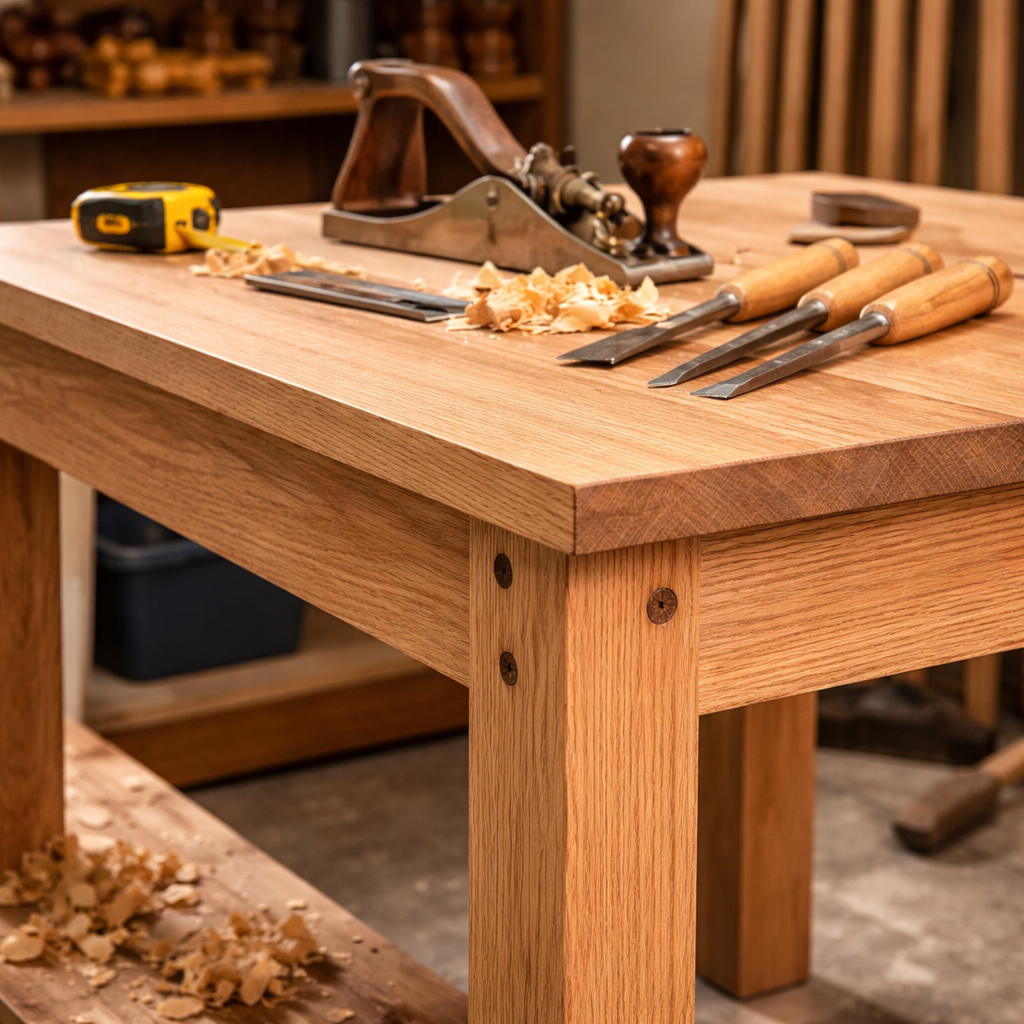
Red oak lumber is generally considered easy to work with using both hand tools and machinery, which is one reason it has remained so popular with woodworkers, cabinet shops, and millwork professionals. It cuts, sands, glues, and fastens well, and it also responds nicely to stain and finish, especially when the goal is to highlight its bold grain pattern. Because it is a hard, strong wood, sharp tools are important for clean results, but overall red oak is known as a reliable and cooperative species for a wide range of interior projects.
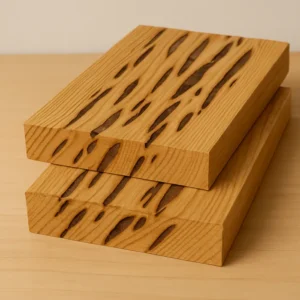
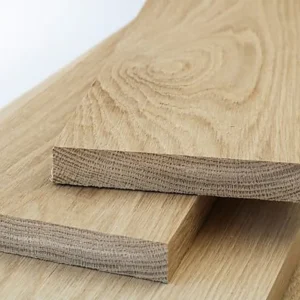
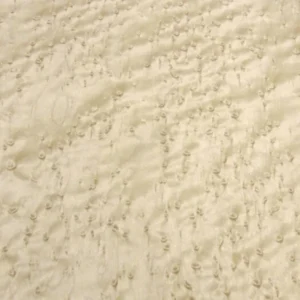
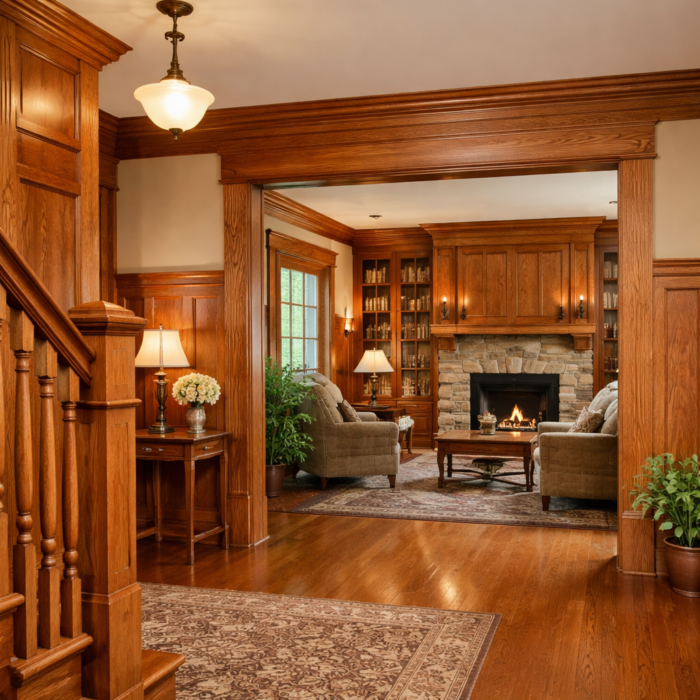
One of the most interesting things about red oak lumber is how deeply woven it is into American woodworking and homebuilding tradition. For generations, it has been used in everything from farmhouse tables and dining furniture to stair parts, trim, flooring, and cabinetry, which is why so many older homes still feature red oak in places where warmth and durability mattered most. Its bold grain is part of what makes it memorable; red oak does not disappear into the background. Instead, it brings a familiar, honest character that feels substantial and lived-in. For many woodworkers and homeowners, red oak represents that classic hardwood look people grew up seeing in well-built homes, making it a species that feels both timeless and approachable.